In the agitated modern life, it is common to feel overwhelmed by stress, pressure and daily demands. Often, we immerse ourselves in our occupations and challenges, forgetting to appreciate the little joys of life. However, developing a mentality of gratitude through contact with nature can be a powerful tool for cultivating emotional well-being. In this article, we will explore the foundations of gratitude, the impact of contact with nature on our mental and emotional health, and how these two practices intertwine to nourish a more full and enriching life.
The Importance of Gratitude
Gratitude is more than just an act of courtesy or gratitude. It implies recognizing and sincerely appreciating the goodness, positive experiences and people around us. By developing a mentality of gratitude, we can change our perspective to life, focusing on what we have instead of what we lack. Positive psychology has shown that practicing gratitude on a regular basis can significantly improve our emotional well-being, reducing stress, anxiety and fostering positive emotions such as joy and satisfaction.
The Power of Contact with Nature
Contact with nature, either through walks through the forest, contemplation of natural landscapes or outdoor activities, has a profound impact on our mental and emotional health. The connection with nature gives us the opportunity to disconnect from the demands and concerns of the modern world, allowing us to regain serenity and inner harmony. Numerous studies have shown that spending time in natural environments can reduce stress, improve mood, increase creativity and strengthen our overall health.
Integrating Gratitude and Contact with Nature
When we combine the practice of gratitude with contact with nature, we enhance the positive effects in our daily lives. The act of being grateful for the natural beauty that surrounds us helps us to value and appreciate each experience at a deeper level. Nature, in turn, offers us a space to reflect, renew our energies and strengthen the connection with ourselves and the surrounding environment.
Shared Benefits: Gratitude and Nature
The practice of gratitude in nature allows us to experience a sense of inner peace and emotional fullness. This bond can act as a refuge in times of adversity, allowing us to find comfort and hope in the wonders of the natural world. At the same time, contact with nature constantly gives us reasons to thank, from sunset on the horizon to the freshness of the air we breathe.
Strategies for Integrating Gratitude and Nature into Daily Life
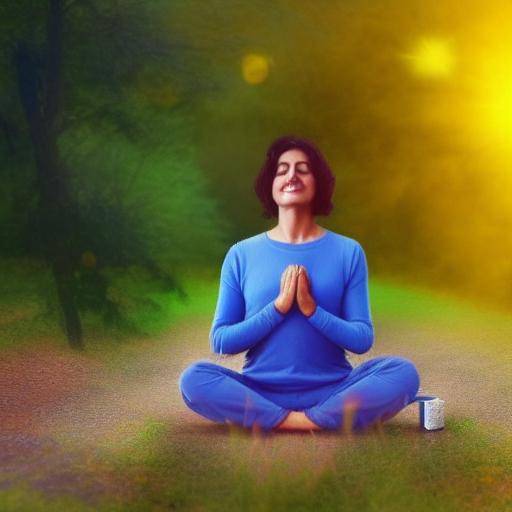
- Meditation in Nature: Dedicates time to practice gratitude as you immerse yourself in the natural environment. Focus on the details, colors and sounds that surround you, and appreciate the beauty and serenity that nature gives you.
- Journal of Free Air Gratitude: Take a diary of gratitude while enjoying a walk through a park, the beach or the mountains. Record your thoughts, emotions and thanks for what you observe and experience in nature.
- Mindfulness Practices in Natural Environments: Use mindfulness techniques to deeply connect with the natural world around you. Focus your attention on textures, smells and sensations, and experience a renewed sense of gratitude for the show of nature.
Conclusions and prospects Futures
By integrating gratitude and contact with nature in our daily life, we can cultivate an interior space of calm, appreciation and resilience. This information is interconnected and mutually complemented to promote lasting emotional and mental well-being. The development of a mentality of gratitude through contact with nature not only allows us to appreciate the beauty that surrounds us, but also nourishes our connection with the world we inhabit and strengthens our emotional resilience to the challenges of life.
Frequently asked questions (FAQs)
1. What exactly is gratitude and why is it important?
Gratitude is the act of sincerely recognizing and appreciating the goodness, positive experiences and people around us. It is important because it can change our perspective towards life, helping us to focus on what we have instead of what we lack. In addition, practicing gratitude on a regular basis has proven to significantly improve our emotional well-being, reducing stress, anxiety and fostering positive emotions.
2. How does contact with nature influence our mental and emotional health?
Contact with nature has a profound impact on our mental and emotional health. This contact gives us the opportunity to disconnect from the demands and concerns of the modern world, allowing us to regain serenity and inner harmony. Many studies have shown that spending time in natural environments can reduce stress, improve mood, increase creativity and strengthen our overall health.
3. Why is it important to integrate gratitude and contact with nature in everyday life?
Integrating gratitude and contact with nature in everyday life enhances the positive effects in our lives. The act of being grateful for the natural beauty that surrounds us helps us to value and appreciate each experience at a deeper level. Nature, in turn, offers us a space to reflect, renew our energies and strengthen the connection with ourselves and the surrounding environment.
4. What are some practical strategies to integrate gratitude and nature into everyday life?
Some practical strategies include meditation on nature, carrying an outdoor gratitude journal and practicing mindfulness in natural environments. These activities foster a deeper appreciation of the natural beauty that surrounds us and strengthens our connection with the natural world.
5. What benefits can be obtained by combining gratitude and contact with nature?
By combining the practice of gratitude with contact with nature, we experience a sense of inner peace and emotional fullness. This connection acts as a refuge in times of adversity, allowing us to find comfort and hope in the wonders of the natural world, while providing us constantly with reasons to thank.
6. What are some tips to maintain an attitude of gratitude while immersed in nature?
Being immersed in nature, it is important to focus attention on the details, colors and sounds that surround us, and take the time to reflect on the beauty and serenity that nature gives us. Recording these reflections in a journal of gratitude can help keep appreciation alive for the natural environment.
In conclusion, by rooting our lives in gratitude and contact with nature, we are building the foundations for lasting emotional well-being. These two pillars are mutually reinforcing, providing space for personal growth, reflection and strengthening our relations with the world around us. Let us immerse ourselves in the natural beauty that surrounds us and cultivate gratitude as a way of life, thus nourishing our inner being and promoting greater harmony in our existence.