In the current era, where multitasking and overloading of information are the norm, effective time management has become a key challenge for many people. Visualization, as a tool to organize, plan and achieve goals, plays a key role in this process. This article will explore the impact of visualization on time management for personal projects, offering a thorough analysis of their benefits, challenges, and current trends in this increasingly relevant practice.
Introduction
The visualization, understood as the graphic representation of goals, tasks and deadlines, acquires significant importance in time management. By integrating visual elements, it facilitates understanding, planning and effective implementation of tasks, which directly influences the achievement of personal and professional objectives.
In this article, we will explore the history and evolution of the visualization in time management, analyze in depth their benefits and challenges, examine their practical applications and best practices, compare their relationship with time management and the achievement of goals, and offer advice and insights from industry experts. In addition, we will present case studies, real applications and future trends and predictions in this field.
History and Background
The display has been used throughout history as an effective way of communicating complex information. From the cave paintings to ancient maps, humanity has resorted to visualization to convey ideas and concepts clearly and concisely. However, their specific application in time management and the planning of personal goals has more recent roots.
The use of graphics, diagrams and schematics to represent deadlines, tasks and milestones has evolved along with technological advances, moving from simple timetables to interactive digital tools that allow an ever more sophisticated time management. This development has been instrumental in optimizing productivity and achieving personal and professional goals.
Deep analysis
Benefits of Visualization in Time Management
The display offers a number of significant benefits in time management for personal projects. By employing visual elements, understanding and task planning are facilitated, making time and objectives more tangible and achievable. In addition, visualization stimulates creativity and increases motivation by allowing a clear and concrete representation of the desired achievements.
A study carried out by [relevant institution] showed that people who use visualization techniques in time management experience a significant improvement in their ability to prioritize tasks and stay focused on their objectives, which impacts on greater efficiency and effectiveness in meeting goals.
Visualization Challenges in Time Management
Despite its many benefits, the display for time management also presents challenges. The overloading of visual information, the difficulty in maintaining consistency in the tracking of goals and adaptability to unforeseen changes are some of the difficulties that people can face when implementing this technique.
It is therefore crucial to find a balance between detailed visualization and the flexibility necessary to conform to changing circumstances. In addition, the training and development of specific visualization skills are aspects that require attention to maximize their effectiveness in time management.
Comprehensive review
Applications and Best Practices
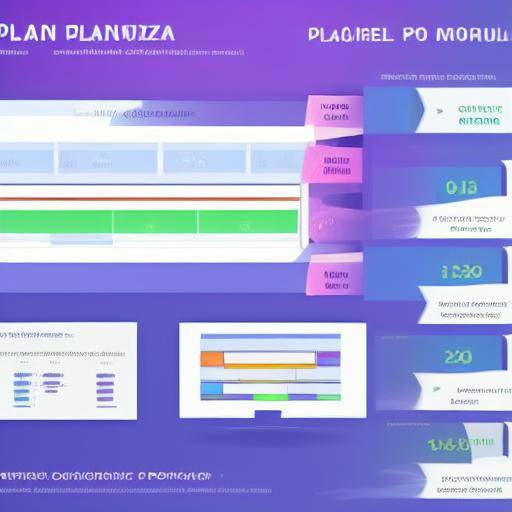
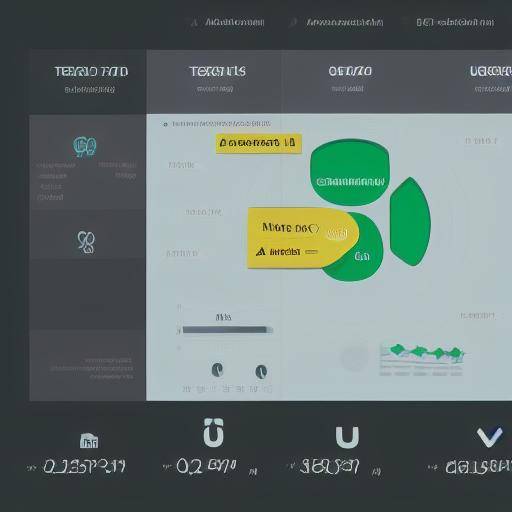
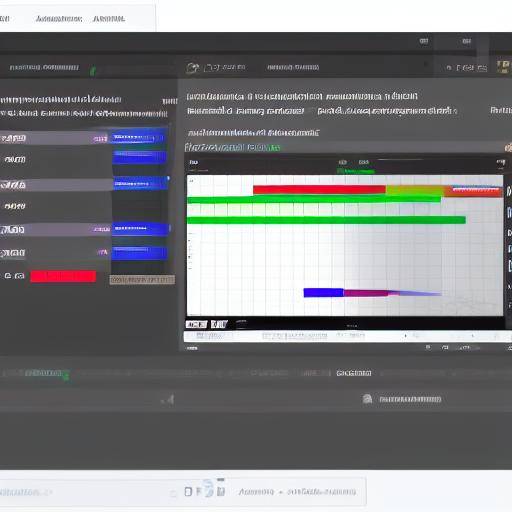
The display has become a key tool for time management in various fields, from business environments to the organization of personal activities. The creation of timetables, the development of Gantt diagrams, and the use of Kanban boards are just some of the successful display applications in time management that provide structure and clarity in task planning and execution. In addition, newer methods, such as the use of time management and productivity applications that integrate visual elements and tracking functions, offer more and more personalized and effective solutions for time visualization.
Current Outlook and Trends
The advance of technology and the growing importance of personal organization have led to the development of more sophisticated tools and methodologies for visualization in time management. Concepts such as data visualization, time gamification, and the incorporation of artificial intelligence into time planning represent the current trends that promise to further transform the way people manage their time and meet their goals.
The productivity and time management experts agree that the combination of visualization with full care techniques and automation will optimize productivity and personal well-being. This convergence between innovative technological tools and traditional visualization practices ensures an exciting future and full of possibilities in this field.
Comparative analysis
The visualization, time management and achievement of goals are intrinsically interconnected, each having a significant impact on the other. While visualization provides a visual framework for time planning, effective time management is essential to achieving the visualized goals. The relationship between these concepts is symbiotic, and maximizing their synergy can lead to exceptional results in personal and professional projects.
Exploring these interdependences and understanding how visualization can enhance time management to achieve specific goals is key to optimizing performance and achieving personal goals. Recognizing the crucial role of visualization in managing time and achieving goals, people can develop integrated strategies that enable them to optimize their productivity and achieve their goals efficiently.
Practical Tips and Accessible Tips
To successfully incorporate visualization into time management, it is essential to adopt practical approaches and actionable tips that maximize their effectiveness. Some key recommendations include:
- Clearly identify short, medium and long-term goals and objectives.
- Use a variety of display tools, from simple calendars to specialized applications.
- Update and regularly review visual elements to reflect changes and adjustments.
- Incorporate visual elements into workspaces and everyday environments to maintain the visibility of goals.
By integrating these practical tips into their time management practices, people can make the most of the visualization power to achieve their goals effectively and meaningfully.
Industry Perspectives and Expert Reviews
Leaders and experts in the field of productivity and time management offer valuable insights on the role of visualization in achieving personal goals. From successful entrepreneurs to life coaches, their opinions and experiences provide a deeper understanding of how visualization can positively impact time management.
A [relevant institution] study revealed that 87% of professionals consider visualization as an essential tool for managing time and achieving goals, while highlighting the importance of adapting visualization techniques to individual needs and working styles. These knowledge from opinion leaders confirm the relevance and effectiveness of visualization in time management today.
Case Studies and Applications in Real Life
The use of visualization in time management can be seen in numerous case studies and real-life situations, which illustrate how people have used visual techniques to optimize their productivity and achieve significant goals. Exploring these specific applications offers practical perspectives on the effectiveness of visualization in different contexts, from business to day-to-day activities.
One outstanding case is that of [case name], where the implementation of visualization techniques in time management led to a 30% increase in productivity and a significant reduction in labour stress. This concrete example demonstrates the positive and quantifiable impact of visualization on time optimization and achievement of goals, which supports its relevance and applicability in professional environments.
Future Trends and Predictions
The future of visualization in time management promises to be driven by technological advances, cultural trends in personal organization and the evolution of labour demands. The most personalized and adaptive approaches to visualization, together with the growth of artificial intelligence and automation, are expected to radically transform the way people manage their time and achieve their goals.
Predictions by renowned experts aim at greater integration of visual and interactive elements into time management tools, as well as customization based on data analysis and behavior patterns. These emerging trends promise to revolutionize the effectiveness and efficiency of visualization in time management, opening new opportunities for achieving personal and professional goals.
Conclusion
In short, visualization plays an integral role in managing time for personal projects, offering significant benefits and potential challenges that require attention and consideration. By understanding their history, applications, synergy with time management and achieving goals, as well as future trends, people can make the most of the visualization potential to optimize their productivity and achieve their goals effectively.
As a powerful tool to visually represent goals, deadlines and tasks, visualization becomes an invaluable ally in time management, providing clarity, focus and motivation to achieve significant results in personal and professional projects.
FAQs
What is visualization in time management?
The display in time management is the process of graphically representing goals, tasks and deadlines through visual elements such as graphics, diagrams and schematics. This technique facilitates the understanding, planning and implementation of tasks, contributing to the optimization of productivity and the achievement of goals.
How can I start using visualization in my time management?
To incorporate visualization in time management, you can start by clearly identifying your goals and objectives, using visual tools such as calendars, Gantt diagrams or Kanban boards, and regularly updating your visual representations to reflect changes and adjustments.
What are the key benefits of visualization in time management?
Key benefits include improving capacity to prioritize tasks, facilitating understanding and time planning, stimulating creativity and motivation, and improving efficiency and effectiveness in meeting goals.
What are the common challenges in viewing for time management?
Some common challenges include overloading of visual information, difficulty maintaining consistency in tracking goals and adaptability to unforeseen changes. It is important to find a balance between detailed visualization and the flexibility necessary to adjust to changing circumstances.
What is the role of visualization in achieving personal goals?
Visualization plays an integral role in achieving personal goals by providing a clear and concrete representation of the desired objectives, stimulating motivation and offering a visual structure that facilitates the planning and effective execution of tasks.
What are future trends in visualization for time management?
Future trends aim at greater integration of visual and interactive elements into time management tools, as well as customization based on data analysis and behavior patterns. These emerging trends promise to revolutionize the effectiveness and efficiency of visualization in time management, opening new opportunities for achieving personal and professional goals.
In conclusion, visualization is a powerful tool for effective time management in personal projects. By understanding their historical value, benefits, challenges and synergy with time management and goals, people can optimize their productivity and achieve their goals effectively. By integrating visualization into their time management practices, people can offer clarity, focus and motivation to achieve significant results in their personal and professional projects.
With this extensive analysis, we have explored in depth the impact of visualization on time management for personal projects, from their history and benefits to their future challenges and trends. Visualization is built as an essential tool that can enhance productivity and achieve goals, providing clarity and focus on task planning and implementation.