Starting to exercise is usually the easy part. The hard part comes a while later, when it rains, work piles up and the sofa looks far more reasonable than your trainers. That is where feedback, the information that tells you how you are doing, can help you keep going instead of giving up.
You don't need a smartwatch or an app full of charts. It is enough to know what to look at, when to look at it and what to do with what you see. A simple feedback system makes your effort visible, and what you can see is usually easier to keep up.
What feedback means when it comes to exercise
Feedback is any signal that gives you information about what you are doing. At work it might be a colleague's comment on a report. In exercise it might be a mark on the calendar, the feeling of climbing the stairs without running out of breath or a friend telling you that you seem more upbeat.
What matters is that the signal arrives early and is clear. Physical changes tend to take a while to show, and if you only wait to look different in the mirror, your motivation can easily fade first. Feedback fills that gap: it shows you small wins while the big ones are still on their way.
There are two basic ways to get it:
- Internal feedback: what you notice yourself. Energy, mood, how you sleep, how your body responds.
- External feedback: what comes from outside. A training log, an instructor, someone who joins you or a group that shares your goals.
Both work. Ideally you combine them so you don't depend on a single source that might let you down one day.
Why exercise adherence is so hard to maintain
Exercise adherence is the ability to keep exercising regularly over time. It is not about training hard for a few days, but about keeping the habit going.
Many people go through the same thing: they start full of enthusiasm, set ambitious goals and, when reality doesn't cooperate, they quit. These are some common reasons:
- Slow results: the body usually changes slowly, and patience runs out fast.
- Vague goals: a general wish to get in shape doesn't tell you whether you made progress today or not.
- All or nothing: if you can't do the full session, it seems pointless to do anything at all.
- Lack of recognition: nobody applauds you for going for a walk on an ordinary day, not even you.
Almost all of them come down to knowing how you are doing. When you don't know whether you are on track, it is hard to believe you are. Feedback can help with that: it gives you concrete proof that you are doing it, even if the big changes aren't visible yet.
Types of feedback you can give yourself
You don't need anyone else to get started. With a notebook or a note on your phone you can set up a simple system. These three forms tend to help the most.
Writing down what you do
Logging each session is the most basic form of feedback, and also one of the easiest to keep up. Which day, what you did and for how long. That is all it takes.
Over time, that list becomes evidence. When one day you feel you are getting nowhere, you can look back and see every time you did go out. A calendar on the fridge where you cross off the days also works: seeing the chain of crosses can encourage you not to break it.
How you feel before and after
This step is the one that most often gets skipped. Besides what you did, write down how you felt before and how you felt afterwards. A simple scale or a single word is enough, such as tired, tense, clear-headed or happy.
This habit connects exercise with mental health in a very practical way. When you go over your notes, you may discover that you rarely regret having trained, even when it was hard to get started. That discovery, in your own handwriting, tends to be more convincing than any motivational quote.
Visible progress in what matters
Choose one or two indicators you can check without fuss, such as these:
- How long you can walk without stopping.
- How many repetitions of an exercise you do with good form.
- Whether you can climb up to your flat without stopping on the landing.
- How many days you have stuck to your plan.
Check them now and then, not every day. Physical progress usually comes in fits and starts, and looking at it daily can discourage you more than it helps.
How to set up your own feedback system step by step
A system that works has to be simple enough for you to use even in a bad week. If logging takes more effort than training, something is wrong.
First, set a small goal that is easy to check. Instead of a general aim to exercise more, try something like going for a walk for a while on specific days of the week. That way you will know each day whether you did it.
Second, choose where you will log it. A notebook, a sheet on the fridge, a note on your phone or a simple app. The best place is the one you will see every day.
Third, decide what you write down. As a starting point, the essentials are enough: whether you did it, for how long and how you felt afterwards. If you feel like adding more, go ahead, but start there.
Fourth, set aside a moment to review. At the end of each week, take a look at what you have logged. Ask yourself:
- How many days did I stick to it?
- What helped on the days it went well?
- What got in the way on the days it didn't?
- What small change can I try next week?
Fifth, adjust without punishing yourself. If you have missed several times, maybe the goal was too high or the timing didn't fit. Lower it a little or move it to another time. Feedback is there to learn from, not to tell yourself off.
Imagine you plan to walk before work, but when you review the week you see you hardly managed it. Looking at your notes, you realise that on the days you missed it you had gone to bed late. Instead of blaming yourself, you try walking at lunchtime. That decision comes straight from feedback.
Feedback from other people: partners, trainers and groups
External feedback has something your own can't give: someone else is paying attention to you. And that can be a good push.
A training partner
Arranging to walk or go to the gym with someone adds a commitment. Sometimes it is easier to let yourself down than to let someone else down. A partner can also notice things you don't see, such as the fact that keeping up the pace isn't so hard for you anymore.
If your schedules don't match, a short message when you finish to say it is done also works. That small exchange acts like a shared logbook.
A professional
A trainer, a physiotherapist or an instructor can give you feedback on technique and adapt the intensity to your situation. This is especially useful if you haven't been active for a while, if you have some discomfort or if you don't know where to start. If you have any health concerns, the sensible thing is to check with a healthcare professional first.
Groups and shared challenges
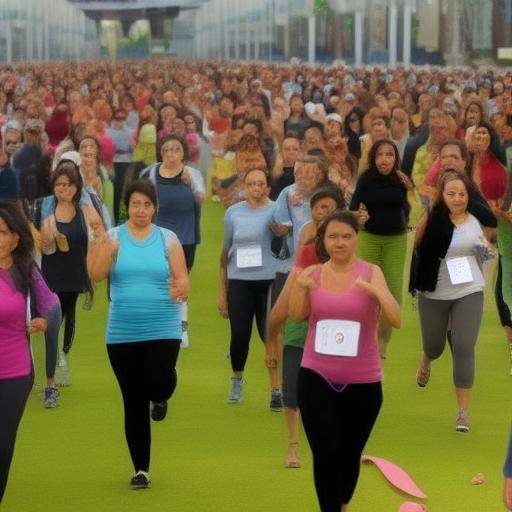
Group classes, running clubs or a chat with friends taking on a similar challenge. The feedback here is social: you see that others are trying too, that they also have bad days, and that they keep going. That makes the ups and downs feel normal.
Even so, choose a friendly environment. If the group turns into a constant competition, it can become more a source of pressure than of support.
Common mistakes when using feedback
Feedback helps, but used badly it can work against you.
Measuring too much. Steps, heart rate, sleep, active minutes. When there is so much data, it is easy to feel that something is always off. Stick to what really helps you keep going.
Comparing yourself with others. Apps with leaderboards or the profiles of very fit people can be discouraging. Your reference point is yourself a while ago, not a stranger with a different life and a different body.
Focusing only on the negative. If, when you review the week, you only see the days you missed, change the order: start with what you did do. It isn't fooling yourself, it is looking at it more fairly.
Expecting results too soon. Weight or body shape usually changes slowly. If those are the only things you look at, feedback will arrive late and will probably frustrate you. That is why it pays to also look at the habit and your mood, which show up sooner.
Using the notebook as punishment. Sometimes the notebook ends up as a list of failings. If you feel worse every time you open it, something isn't working. Simplify what you write down until it becomes useful again.
Frequently asked questions
Do I need an app or a smartwatch to use feedback?
No. A notebook, a paper calendar or a note on your phone is enough. Devices can be convenient, but what matters is that you look at how you are doing and use it to decide, not the gadget itself.
How often should I review my progress?
It makes sense to log every time you train, because it takes very little time. Reviewing, on the other hand, usually works well at the end of each week. Endurance or strength are worth checking less often.
What should I do if feedback shows I'm missing a lot?
Take it as a clue, not a verdict. The goal may be too demanding for where you are right now, or the timing may not fit. Scale the goal down, change the time or the type of activity and try again calmly.
Can exercise help my mental health?
Many people find that moving helps them feel clearer and in a better mood, and writing those feelings down makes it easier to see. Even so, exercise is not a substitute for treatment. If you notice emotional distress that doesn't go away, the advisable thing is to talk to a professional.
Does feedback work if I exercise at home on my own?
Yes, and that may be where you notice it most. With no one watching, logging and reviewing each week is your way of checking that you are still on track. If you want a little external feedback, send a message to someone you trust after each session.
What to remember the next time you don't feel like it
Laziness doesn't disappear just because you have a good system. There will still be days when you don't feel like doing anything. The difference is that, with your notes in front of you, you will have more than your mood to decide with: you will see that it was hard other times too and you still went, and how you felt afterwards.
If today you only have a short window, make the most of it and log it. A short day written down usually does more for your exercise adherence than a perfect session that never happens. Over time, that collection of short and long days is what holds the habit together.
Start this week with the bare minimum: a small goal, a place to log it and a moment to review at the end of the week. Then adjust whatever you need. A method works if it fits your life, and feedback is what will keep telling you what fits and what doesn't.