Introduction
Journaling, also known as carrying a personal journal, is a practice that has gained popularity in the field of personal development. This technique not only allows to express thoughts and emotions, but has also been associated with improving self-discipline. In this article, we will explore in detail how journaling can positively impact the development of self-discipline, providing valuable advice and strategies to maximize its benefits.
History and Background
Journaling, in its most basic form, has existed for centuries as a way of documenting meaningful thoughts, feelings and events in people's lives. From ancient philosophers to historical figures, the act of portraying words in a journal has been a valuable tool for reflection and self-knowledge.
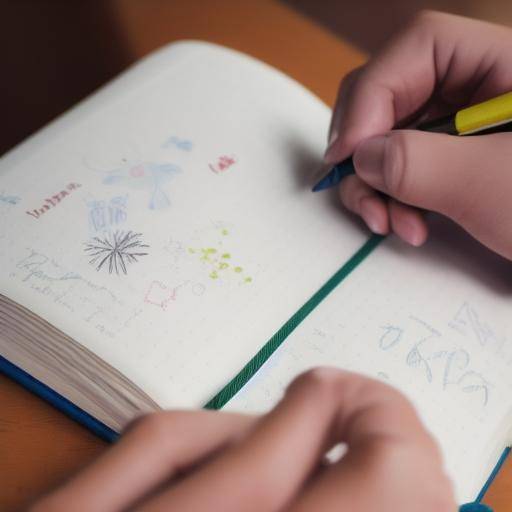
The term "journaling" was popularized in the world of psychology and personal development in the twentieth century, as mental health professionals recognized their therapeutic value and ability to foster self-discipline. Over time, journaling has evolved to include various forms, such as artistic journaling, journaling of gratitude and therapeutic journaling, each with its unique approach to benefits and applications.
Analysis in Deep
Benefits of Journaling for Self-Discipline
Journaling has been shown as an effective tool to strengthen self-discipline by fostering self-reflection, self-regulation and setting specific goals. By writing on a regular basis, people can identify patterns of behavior, strengths and areas of improvement, which contributes to greater self-control and personal responsibility.
In addition, the act of carrying a journal promotes conscious decision-making and consistency in the follow-up of objectives, thus creating habits that reinforce self-discipline in different aspects of life, such as time management, productivity and overcoming challenges.
Challenges and Overcoming
Despite the many benefits offered by journaling, there are common challenges that can hinder their effectiveness in the development of self-discipline. Lack of constancy, excessive self-criticism or the tendency to postpone writing are some barriers that practitioners can face.
However, identifying these obstacles allows you to implement strategies to overcome them. These include the creation of daily writing routines, the establishment of realistic goals and the promotion of self-compassion rather than self-criticism, which contributes to sustained and effective practice.
Comprehensive review
Practical Applications of the Journaling for Self-Discipline
Journaling can be applied in various ways to strengthen self-discipline in everyday life. Establishing a regular writing plan, using visualization and affirmation techniques, and monitoring progress towards specific goals are effective strategies supported by research and testimonies of those who have experienced a positive change in their self-discipline thanks to journaling.
In addition, the integration of digital tools, such as journaling applications and habit tracking tools, provides an additional dimension to enhance self-discipline through technology.
Conclusions and FAQs
Conclusions
The journaling is presented as a valuable technique for improving self-discipline, offering significant opportunities for self-reflection, personal growth and achieving clear goals. By incorporating regular writing habits and taking advantage of the various forms offered by journaling, each individual can strengthen their self-discipline in a sustained and transformative way.
The link between journaling and self-discipline is an exciting area of exploration in personal development, and its potential to positively impact people's lives remains the subject of ongoing studies and research. By integrating journaling in the search for self-discipline, significant personal growth can be enhanced that transcends cognitive and emotional barriers.
Frequently asked questions
1. How can I start with journaling to strengthen my self-discipline?
Starting with journaling to strengthen self-discipline is simple. Set a regular schedule to write, define clear goals for your journaling practice and begin to reflect on your daily experiences.
2. Are there different types of journaling that can help with self-discipline?
Yes, there are several journaling approaches that can strengthen self-discipline, such as journaling of gratitude, journaling of visualization and journaling for setting goals. Explore these modalities can be beneficial to find the one that best suits your needs.
3. How long do you need to see results in improving self-discipline through journaling?
The time needed to see results varies according to the person, but consistency in journaling practice is fundamental. Some people may experience significant changes in a few weeks, while others may require more time to see tangible improvements.
4. What role do emotions play in the relationship between journaling and self-discipline?
Emotions play a vital role in this relationship. The journaling offers the opportunity to explore and manage emotions, which in turn strengthens emotional resilience and the ability to keep the focus on goals and objectives.
5. How can I overcome the lack of motivation to keep a regular journaling?
Establishing visual reminders, seeking inspiration in the writing of others or integrating journaling into an existing routine, as part of morning meditation or night-time reflection, can help overcome the lack of motivation.
6. Can journaling impact my self-discipline on other aspects of my life?
Yes, the development of self-discipline through journaling can have positive effects in various areas of life, including time management, decision-making, productivity and overcoming personal challenges.
With these tips and strategies, journaling is presented as a powerful tool to strengthen self-discipline and open up new possibilities of personal growth.
In short, journaling offers a unique way to improve self-discipline and promote self-knowledge. By incorporating this practice into everyday life, each individual can experience a significant strengthening of self-discipline, which in turn will have a positive impact on their personal development and the achievement of goals and objectives.
Remember, journaling is a discipline that, with constant time and practice, can transform the perception of oneself and the approach to self-discipline, providing a solid path to meaningful personal growth.
Be attentive to the opportunities that journaling offers as a tool to strengthen self-discipline, and be prepared to embark on a fascinating journey that will enhance your personal development. Journaling is not only an act of writing, but also an act of self-discovery and empowerment!
For more information on journaling and personal development, do not hesitate to explore the resources recommended in our external links section.
The road to greater self-discipline and personal growth is just a few words away!